


Impacted and Missing Teeth Correction in Austin
Impacted teeth
Impactions can be caused by improper positioning of the developing tooth bud. This can cause the tooth to fail to erupt into the mouth. Impactions can also be caused by early loss of primary teeth or crowding of teeth. Wisdom teeth are the most commonly impacted teeth. Canines and premolars can also be impacted.
This problem should be corrected because it can:
- cause damage to the root structure of adjacent teeth
- interfere with the sinus cavity
- leave unwanted spaces
- lead to improper functioning of the teeth
- cause premature wear of the teeth
- cause asymmetric alignment of the teeth
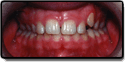
before
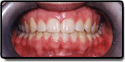
after
How can impacted teeth be orthodontically corrected?
Usually the impacted tooth is uncovered surgically and brought into the correct position of the mouth over the course of several months. Correction of impacted teeth may involve a minor surgical procedure performed by an oral surgeon working closely with our practice. This will allow us to then guide eruption of the impacted tooth into proper position.
Missing teeth
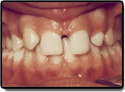
Missing teeth is the absence of a tooth or teeth that should normally be present. This can be caused by trauma or lack of development.
This problem should be corrected because it can:
- cause improper functioning of teeth
- cause premature wear of teeth
- cause asymmetric alignment of the teeth
Frequently Asked Questions About Impacted and Missing Teeth
What is an impacted tooth?
An impacted tooth is a tooth that does not erupt normally through the gums because it is blocked by another tooth, bone, gum tissue, or a lack of available space. Impacted teeth are commonly found in the wisdom teeth and canine teeth, but other teeth can also become impacted.
What causes a tooth to become impacted?
Teeth can become impacted when there is not enough space in the jaw for them to erupt properly. Abnormal tooth development, crowding, extra teeth, or the position of surrounding teeth can also prevent a tooth from erupting normally.
Can an impacted tooth be treated with orthodontics?
Yes. Depending on the position of the impacted tooth, orthodontic treatment may help create space and guide the tooth into its proper position. In some cases, an orthodontist may work with an oral surgeon to expose the impacted tooth so it can be guided into alignment.
What happens if an impacted tooth is not treated?
Some impacted teeth may not cause immediate symptoms, but they can contribute to crowding, damage to neighboring teeth, infection, or other oral health concerns. An orthodontic evaluation can determine whether monitoring or treatment is appropriate.
What causes missing teeth?
Missing teeth can result from a tooth that never developed, an impacted tooth that failed to erupt, injury, or the loss of a permanent tooth. The appropriate treatment depends on the cause, the patient’s age, and the development and position of the surrounding teeth.
Can orthodontic treatment help with missing teeth?
Yes. Orthodontic treatment can sometimes close the space left by a missing tooth or create and maintain appropriate space for a future dental restoration. Your orthodontist can evaluate the surrounding teeth and bite to determine which approach is best.
When should an impacted or missing tooth be evaluated?
An orthodontic evaluation is recommended when a permanent tooth does not erupt as expected, appears to be missing, or there are concerns about crowding or abnormal tooth development. Early evaluation can help identify potential problems and determine whether treatment is needed.
Can an impacted tooth cause crowded teeth?
Yes. An impacted tooth can contribute to crowding when it is unable to erupt because there is insufficient space in the dental arch. Creating adequate space and guiding the tooth into proper alignment may help address the problem.
How is an impacted tooth diagnosed?
An orthodontist can evaluate the position and development of the teeth during an examination and may use dental X-rays or other imaging to determine whether a tooth is impacted. Imaging can show the location of a tooth that has not erupted and help guide treatment planning.
Does every impacted tooth need treatment?
Not necessarily. Treatment depends on the tooth involved, its position, the patient’s age, symptoms, and potential effects on surrounding teeth. An orthodontic evaluation can help determine whether treatment or continued monitoring is recommended.
Schedule an Orthodontic Evaluation in Austin
If your child has a missing permanent tooth, a tooth that has not erupted, or concerns about an impacted tooth, an orthodontic evaluation can help identify the cause and available treatment options. Contact our Austin orthodontic office to schedule an evaluation.